484.433.1592
484.433.1592

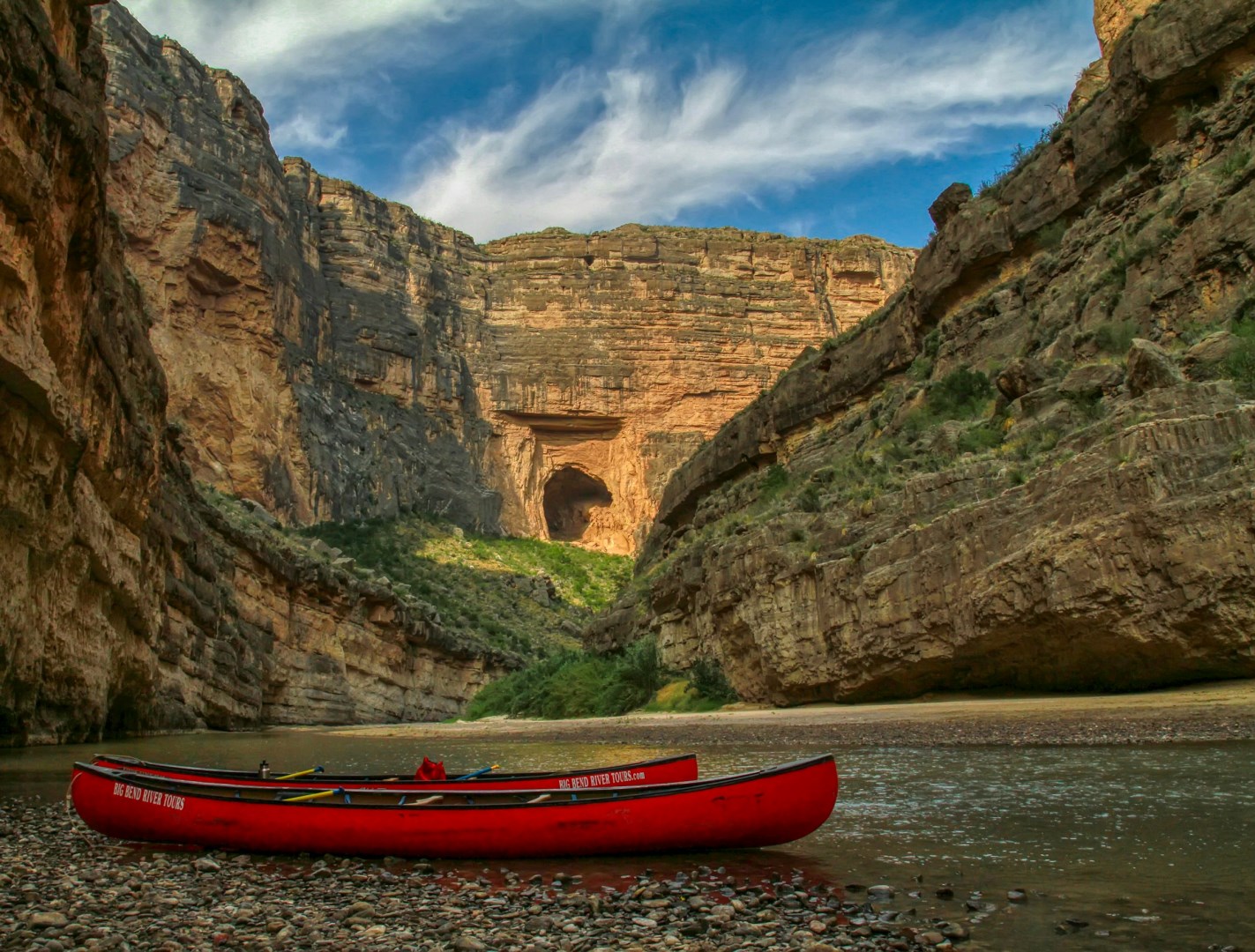
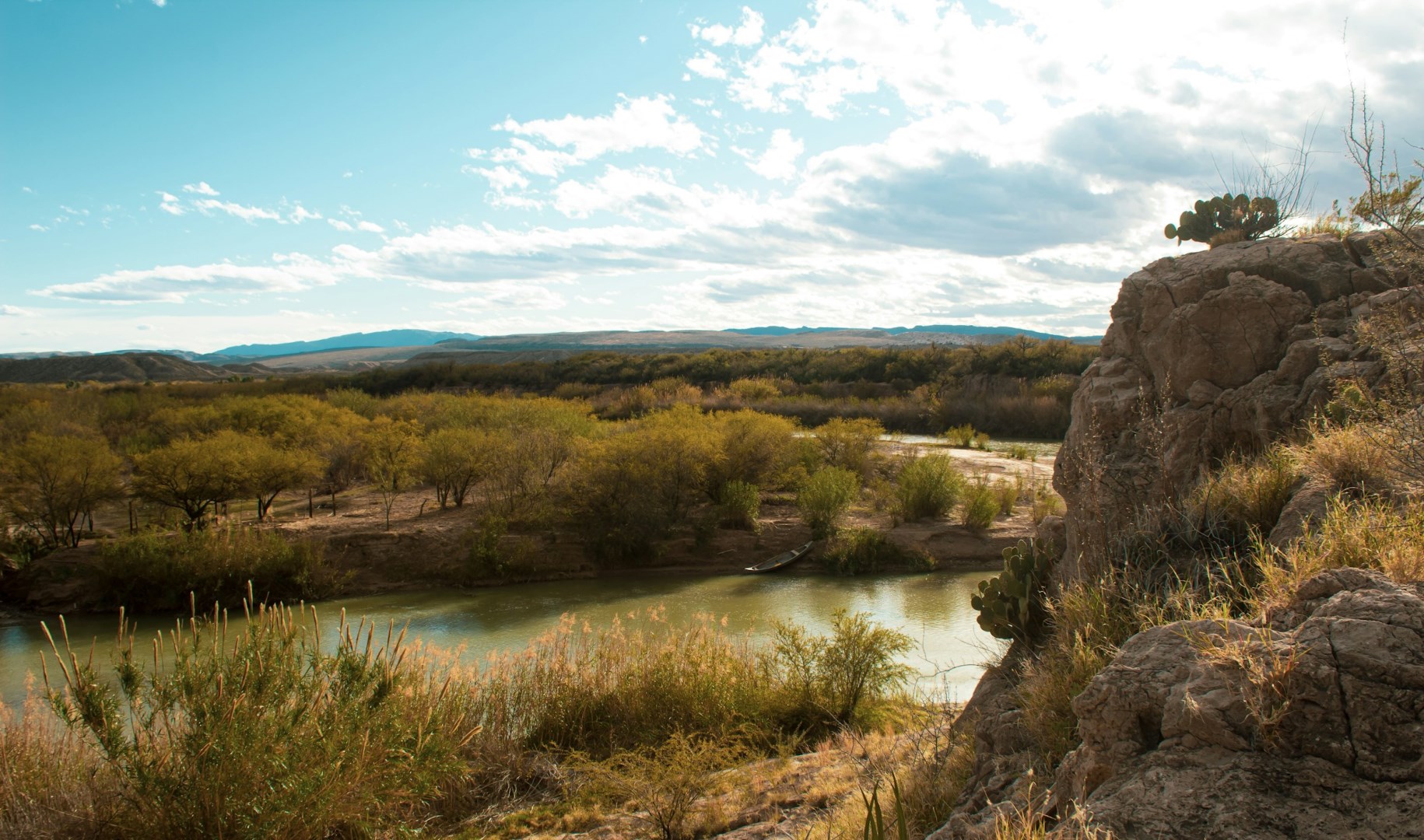
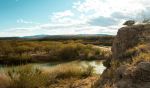
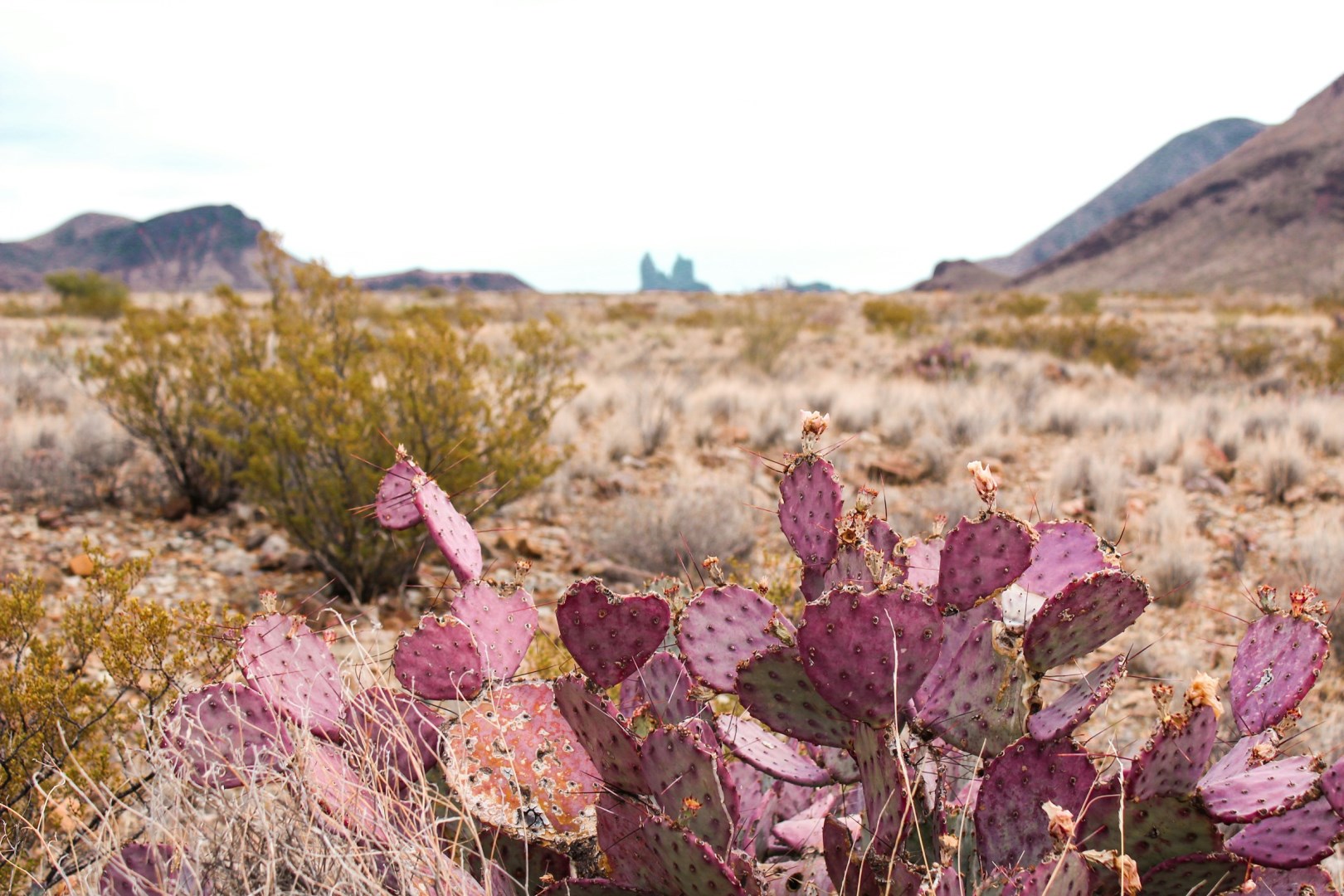
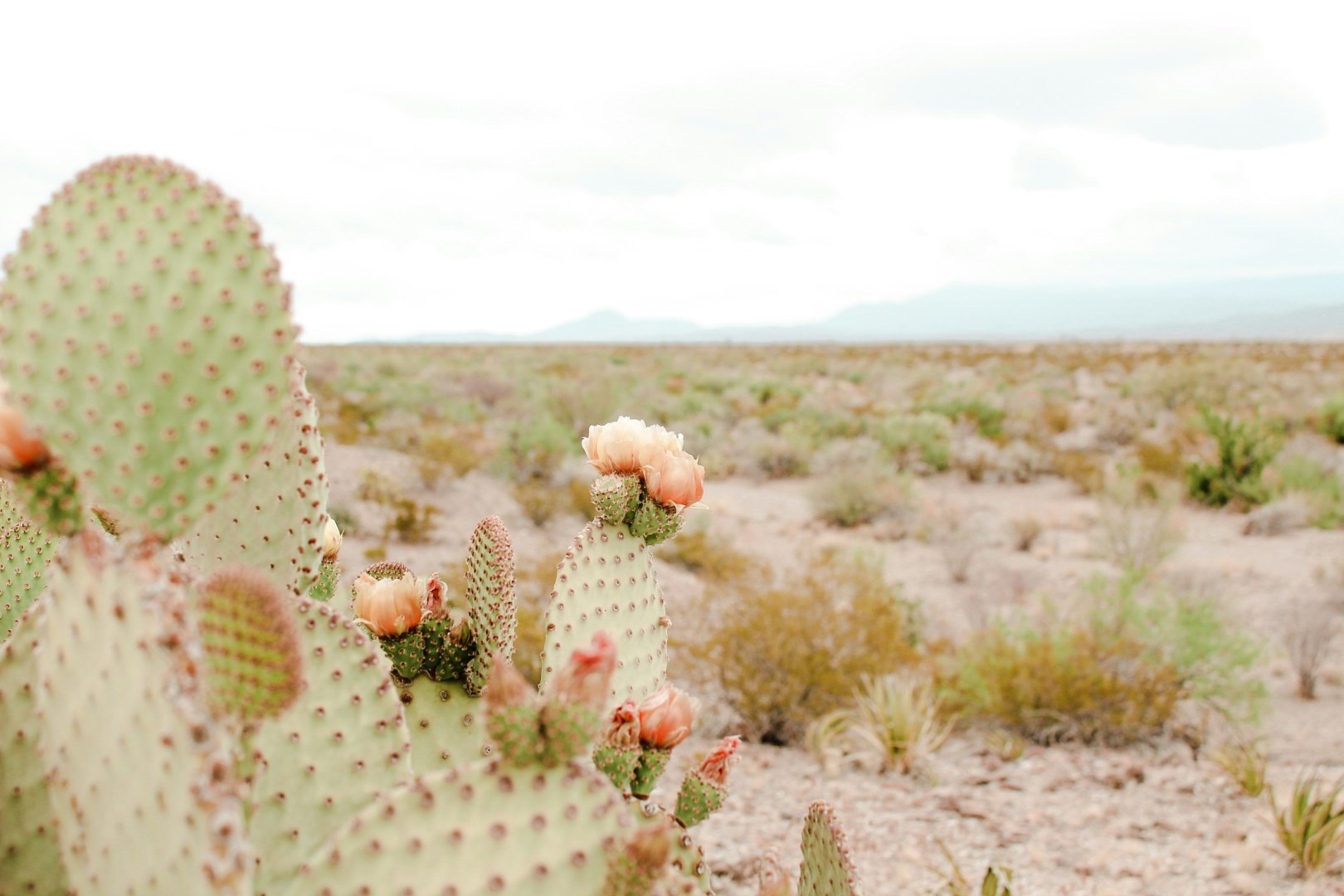
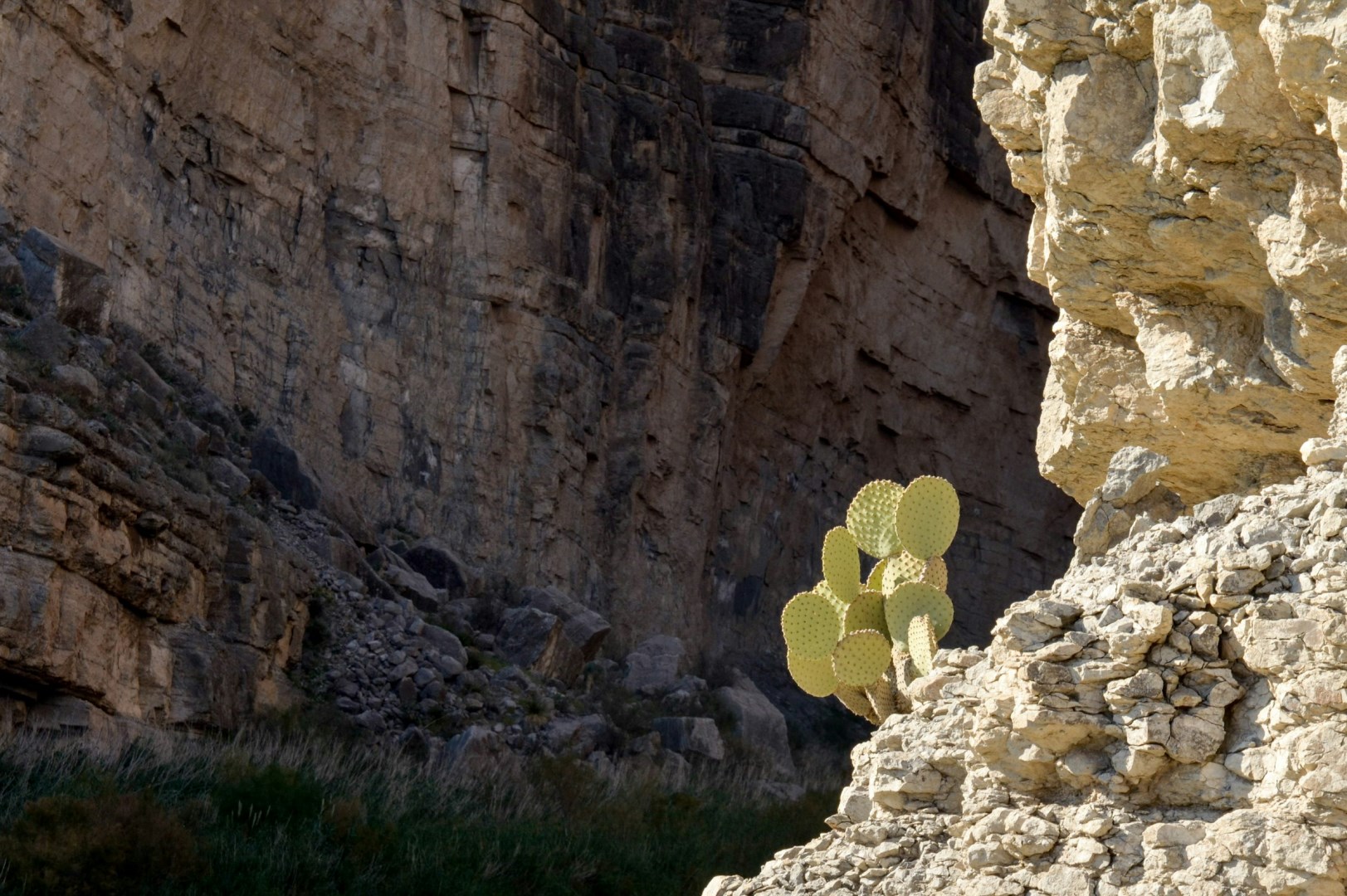
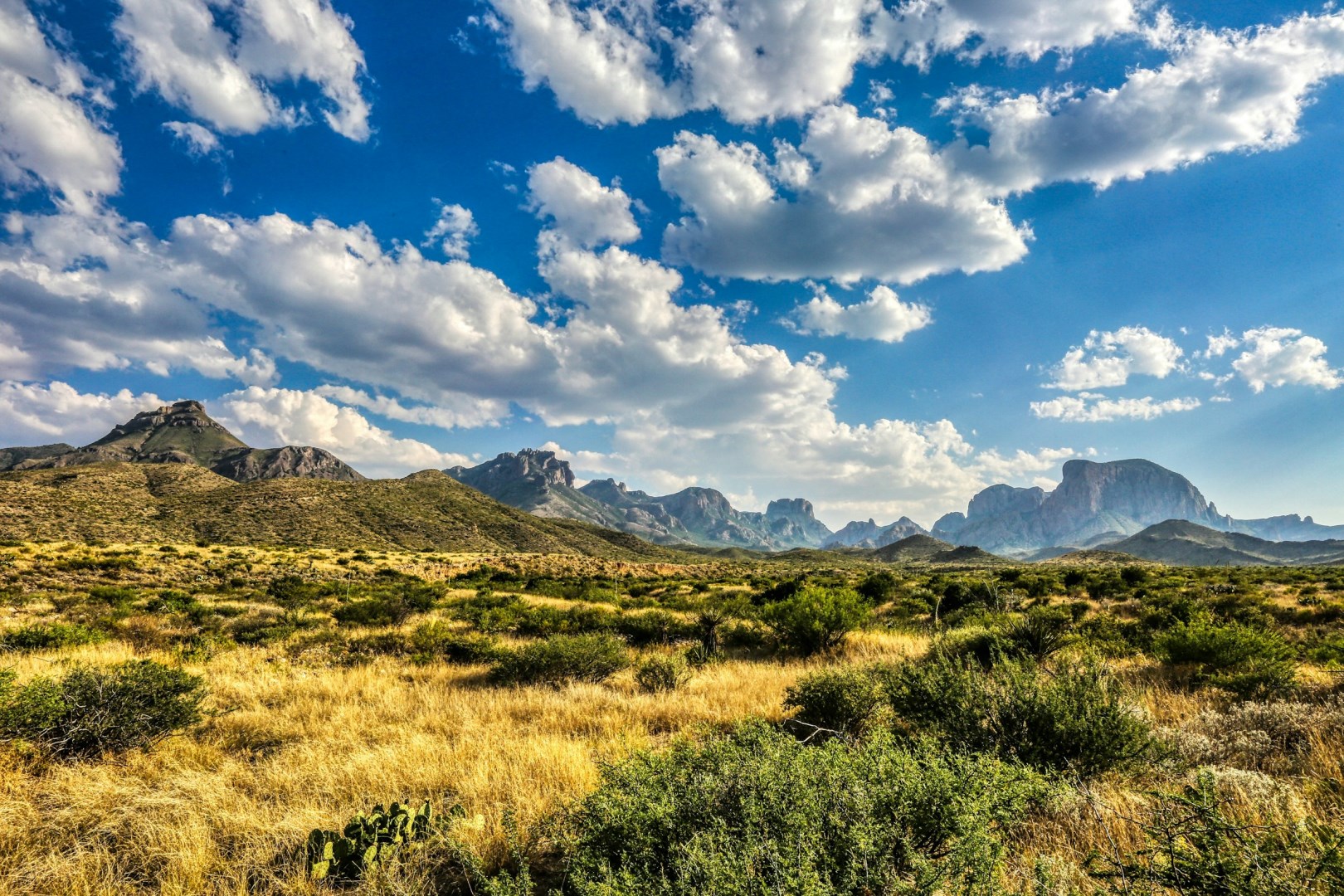
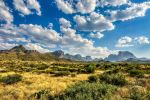
Big Bend Ranch State Park is a vast protected landscape in southwestern Texas, stretching along the Rio Grande beside Big Bend National Park and the Mexican border. The park covers rugged desert, volcanic formations, steep canyons, and broad Chihuahuan Desert plains, with the river forming its southern boundary. Its remote setting and limited development give the area a distinctly wild character. Unlike many Texas parks, Big Bend Ranch has few paved roads or major facilities, making its scenery especially suited to travelers seeking a more secluded desert experience.
The park lies within the traditional homeland of Indigenous peoples who used the Rio Grande and surrounding desert for travel, hunting, gathering, and trade. Archaeological sites, rock shelters, pictographs, and other evidence of human activity can be found throughout the region. Later, the landscape supported ranching, mining, and transportation along the river. Remnants of historic ranches, adobe structures, old roads, and mining sites remain within the park, providing a connection to the people who worked in this challenging environment before the area became protected public land.
The landscape contains some of the most distinctive scenery in the Trans-Pecos region. The Rio Grande cuts through narrow canyons and rocky terrain, while the Solitario, a large collapsed volcanic dome, forms one of the park’s best-known geological features. Contrasting landscapes include the Hoodoos, Colorado Canyon, Closed Canyon, and the dramatic cliffs around the Rio Grande. Hiking, mountain biking, horseback riding, paddling, and scenic driving are popular activities, with trails and backcountry routes providing access to areas ranging from desert grasslands to rugged canyon country.
Big Bend Ranch State Park supports wildlife adapted to the Chihuahuan Desert, including javelinas, mule deer, coyotes, roadrunners, desert bighorn sheep, and numerous reptiles and birds. Native plants include lechuguilla, ocotillo, sotol, prickly pear, and various species of yucca and cactus. The park is also recognized for its exceptionally dark night skies, with limited artificial light allowing clear views of the stars and Milky Way. Its remoteness means visitors should plan carefully, carry sufficient water, and prepare for extreme temperatures, since services are limited and distances between developed areas can be substantial.